
Ocean glare, tamed
Glare Reduction Window Film in San Diego
Glare reduction window film cuts the amount of visible light coming through the glass, so bright windows stop washing out screens and making people squint. In San Diego, the worst glare often comes off the ocean late in the day.
 San Diego
Ocean Glare in West-Facing San Diego Homes
Coastal houses are built to look west, and that is exactly where the trouble starts. As the sun drops toward the Pacific, it hits the windows directly and also bounces off the water, so the glass carries two sources of brightness at once. Living rooms in Pacific Beach, La Jolla, Ocean Beach and Coronado can become hard to use for an hour or two before sunset, with TVs unwatchable and laptops unreadable.
In winter the effect gets worse. The sun sits lower in the sky, so it reaches farther into the room and lines up with eye level for longer. A view window that was pleasant in July can be a problem every afternoon from November through February.
Inland and Urban Glare Sources Around San Diego
Glare is not only a beach issue. Inland tract neighborhoods have light-colored stucco walls, white garage doors and concrete driveways that reflect sun into neighboring windows. Backyard pools throw rippling reflections onto ceilings and screens. In Point Loma and on Coronado, rooms facing the bay deal with reflections off the water and off boats in the harbor.
Downtown and Little Italy condos add another source: the glass towers next door. A neighboring building's reflective facade can bounce afternoon sun into a unit that faces away from the sun entirely. We look at where the light is actually coming from before recommending a film, since the fix depends on the source.
Choosing a Glare Reduction Window Film Shade
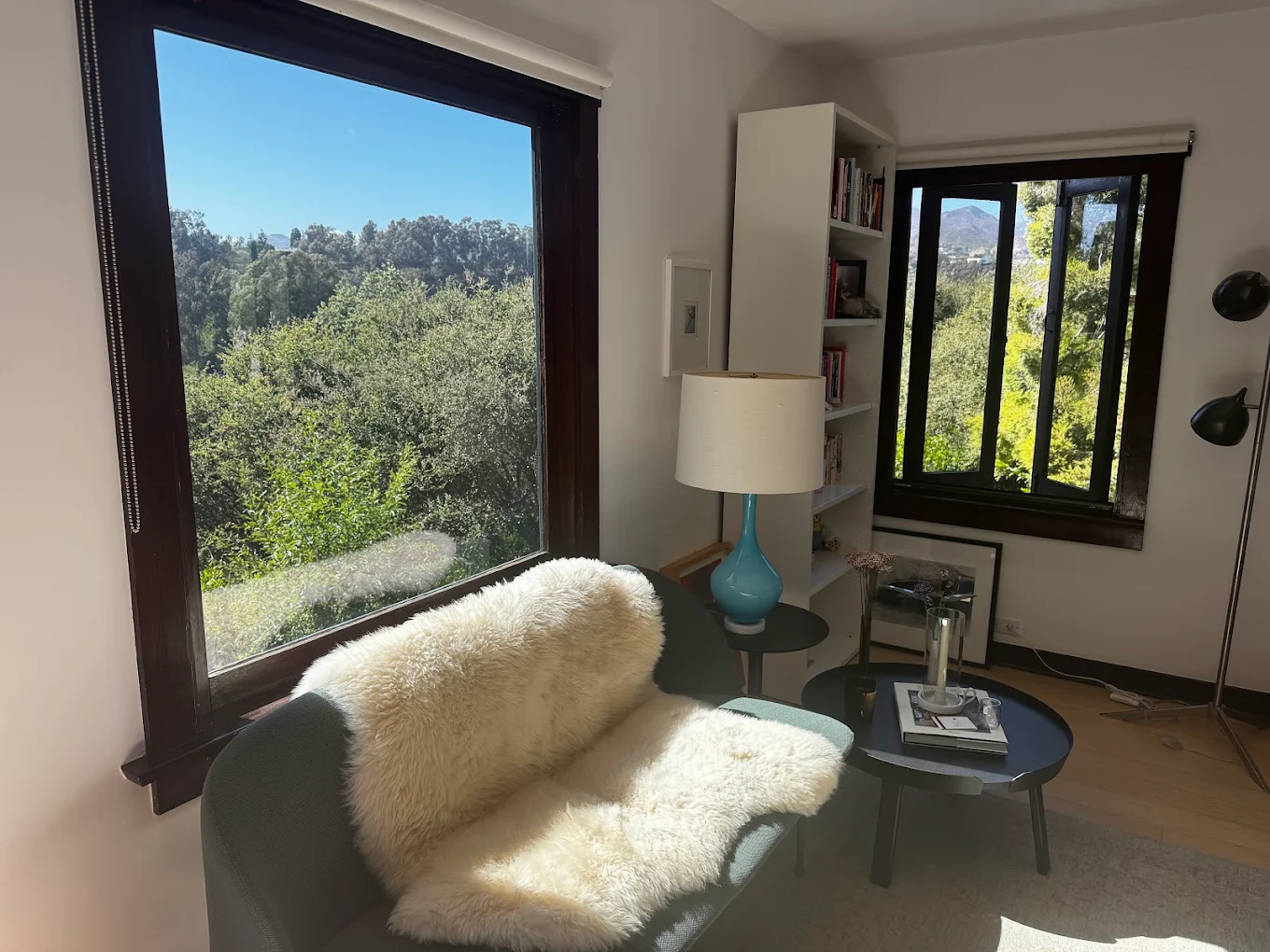
Glare control comes down to one spec, visible light transmission, which is the share of daylight that makes it through the film and glass. A film that lets through about half the visible light cuts brightness noticeably while keeping a clear view. Films in the 20 to 35 percent range give strong glare control, with a darker look and a dimmer room on grey days.
Neutral grey or charcoal films reduce brightness without shifting the color of the view, which is what most ocean-view owners want. Reflective films cut glare and heat further but create a mirror effect inside at night. Dual-reflective films have a less reflective interior side, which helps if you sit near the glass after dark.
Glare Reduction Window Film for San Diego Home Offices
More people now work from home full-time, and the spare bedroom with a west window is often where the desk ends up. A monitor facing that window, or with the window behind the user on video calls, can be nearly impossible to use in the afternoon. Glare film makes the room workable without permanently closing the blinds or rearranging the furniture.
Home offices are also where people sit closest to the glass for the longest time. A film that reduces glare also cuts heat and UV at the same desk, which makes long afternoons noticeably more comfortable.
Glare Reduction Window Film Benefits in San Diego
Readable Screens in Bright San Diego Rooms
Lowering the light coming through the glass reduces washout on TVs, monitors and tablets. Rooms that were unusable in the late afternoon become comfortable for working, gaming or watching a movie.
Glare Film That Keeps the Ocean View
Neutral films darken the brightness without blocking or recoloring the view. You still see the water, the bay or the canyon, just without the harsh light that used to force the blinds closed.
Less Eye Strain Near Sunny Windows
Constant squinting against bright glass is tiring. Film evens out the contrast between window and room, which makes reading, cooking and working near the glass easier on the eyes through the day.
Glare Control Plus Heat and UV Reduction
Darker and reflective glare films also reject solar heat and nearly all UV. West-facing coastal rooms get relief from the light, the heat and the fading in one installation.
Glare Reduction Window Film FAQs in San Diego
Will glare film make my ocean view look darker?
Somewhat, depending on the shade. Light films barely change the view. Medium films darken it slightly, much like wearing sunglasses, while keeping colors true. We hold samples up during your worst glare hour so you can judge for yourself.
What is the best film for TV glare?
Usually a neutral film in the medium range of visible light transmission, applied to the window that reflects on or shines behind the screen. Reflective films help more but create nighttime reflections.
Does glare film help on overcast coastal days?
On grey May and June mornings there is little glare to cut, and darker films can make rooms feel dim. That is why many coastal owners choose a lighter shade that handles the afternoon sun without over-darkening the morning.
Can glare film go on just part of a window wall?
Yes. We can film only the panes that cause trouble, such as the west-facing section of a corner window wall, and leave the rest clear. Matching shades across adjacent panes keeps it looking consistent.
Will glare film stop reflections from my neighbor's windows?
It reduces them. Light bouncing off a neighboring tower or a bright stucco wall passes through your glass like direct sun does, so a film that lowers visible light transmission dims those reflections too. It will not remove them entirely.
Window film quote
Request Glare Reduction Window Film Pricing in San Diego
A photo taken at the worst glare hour tells us a lot. Send it with window sizes through the quote form, and say whether a TV or desk faces the glass.
Prefer email? info@windowfilmsandiego.pro